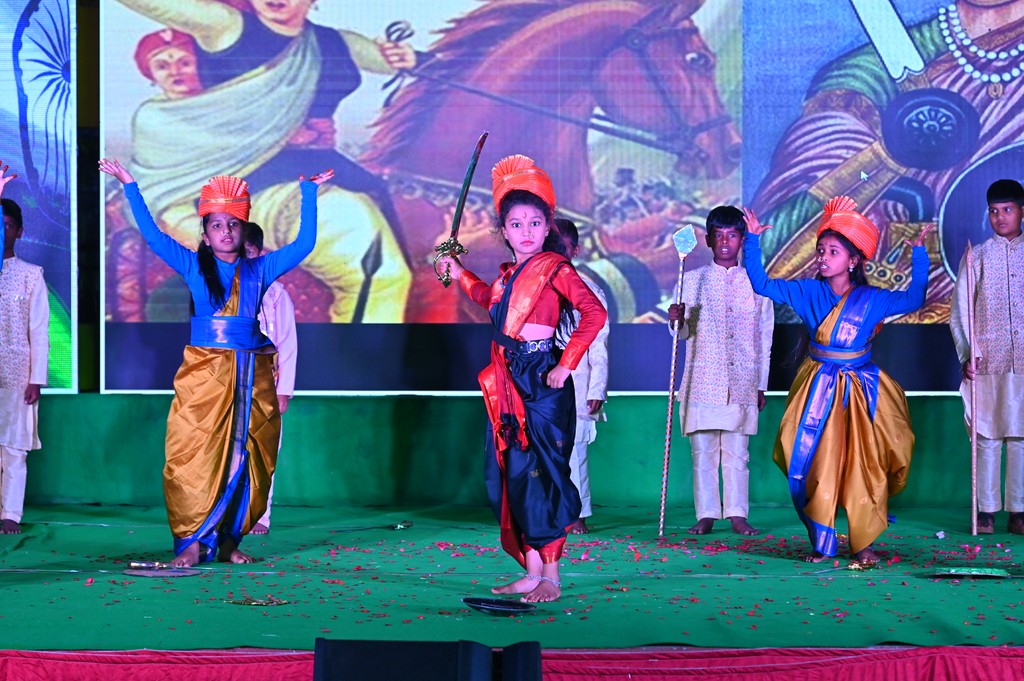
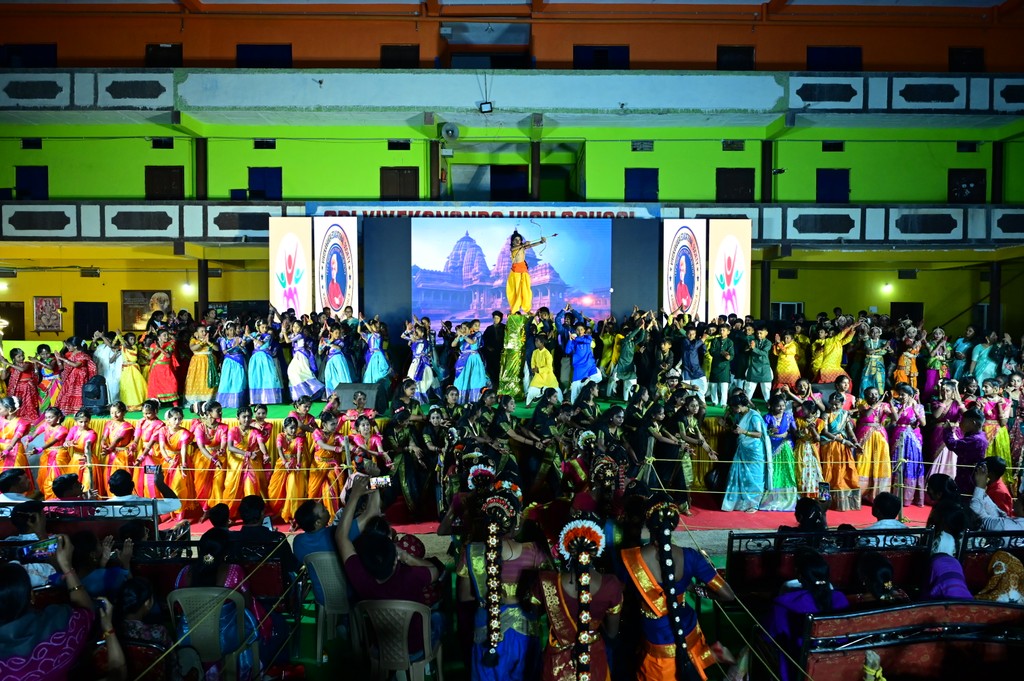
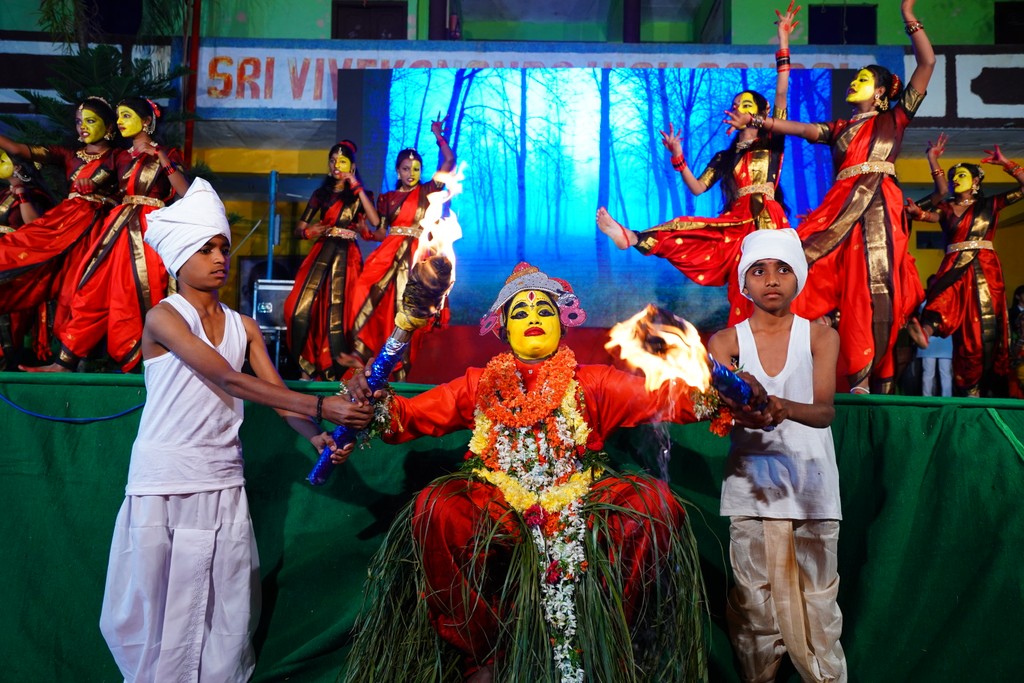
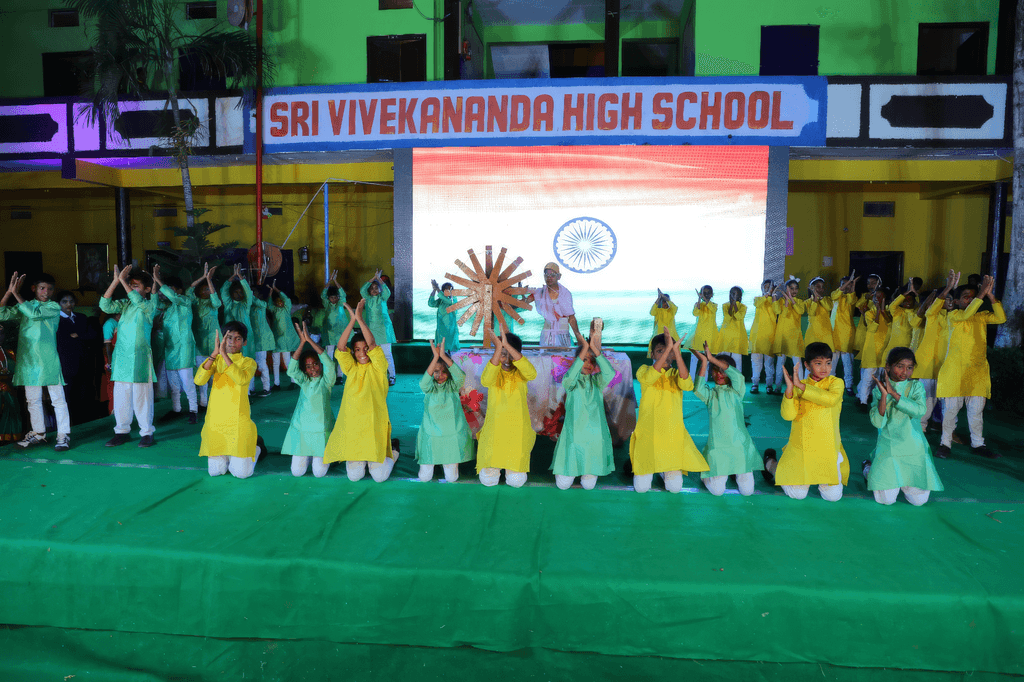
At school, festivals are not just dates on a calendar or decorations on the wall—they become living lessons in gratitude, identity, faith and togetherness.
Feb 6, 2026
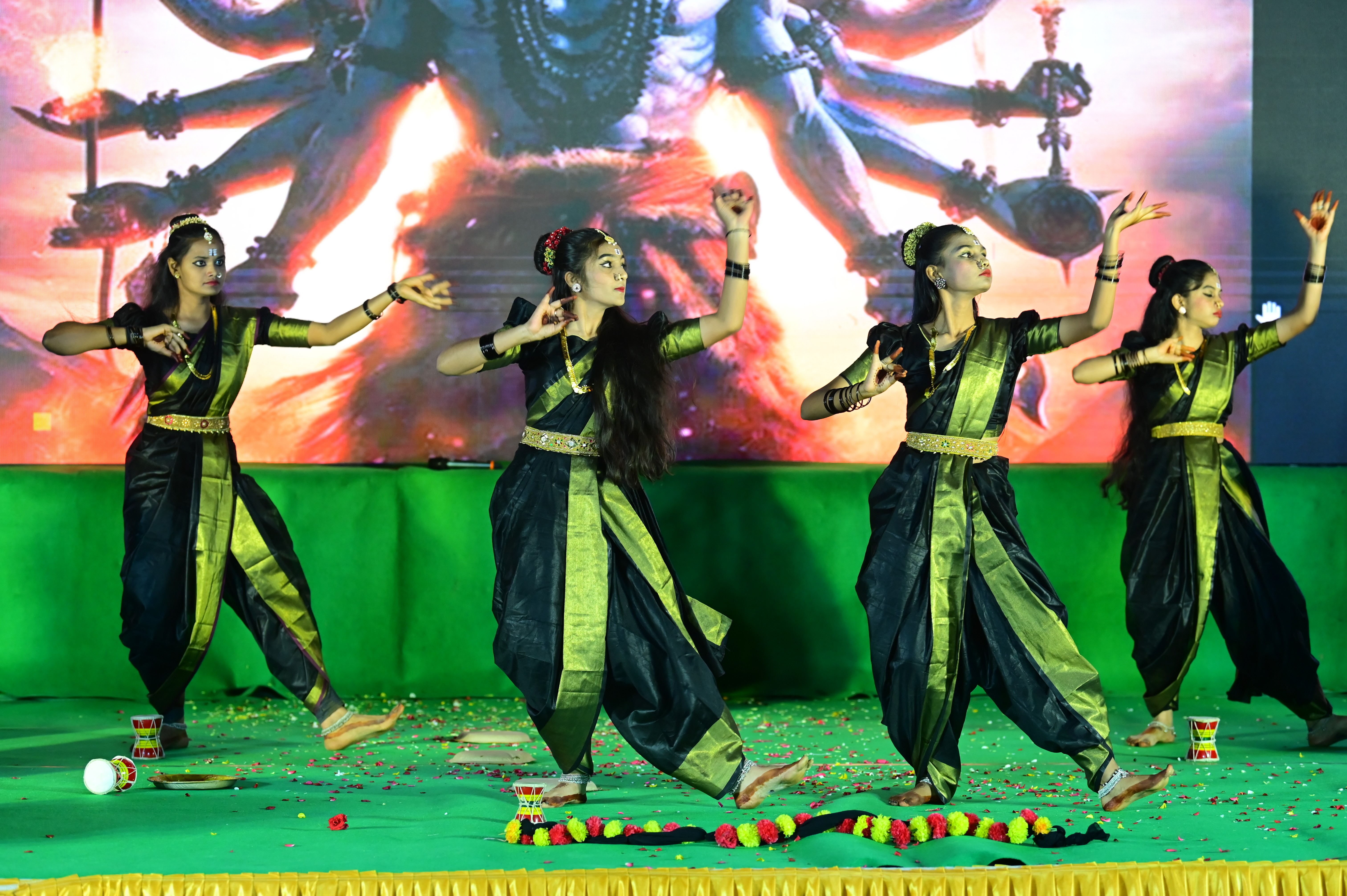
Children come to school already carrying the stories, memories and emotions of festivals they celebrate at home. On these days, many arrive dressed in traditional clothes, excited to talk about what happened in their families the night before or what they will do later in the evening. School celebrations do not replace these home traditions; they extend them. They give children a shared space to see how the same festival is observed by friends from different homes, and help them recognise that while customs may vary, the meaning behind them is often the same.
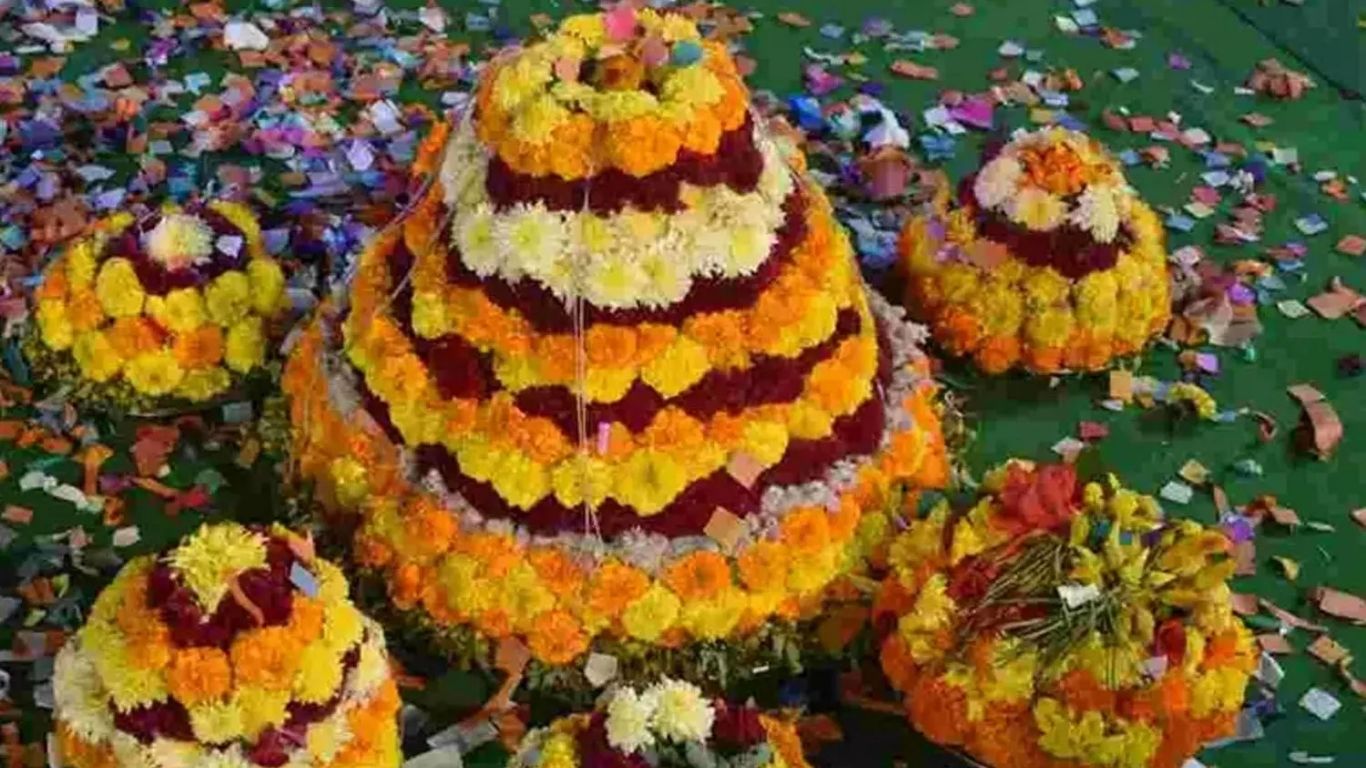
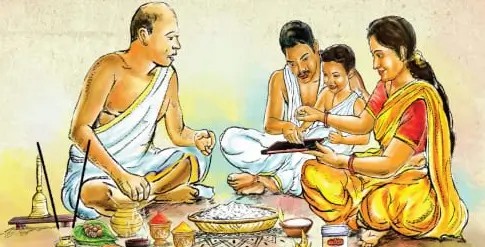
Festivals also offer a beautiful chance to talk about values without sounding like a moral science lesson. Pongal and Sankranti open up conversations about farmers, food and gratitude. Bathukamma brings nature to the centre, with children touching, smelling and arranging real flowers. Vasantha Panchami and Aksharabhyasam turn attention to learning itself—why we respect letters, books and the people who teach us. As children take part in these celebrations, they are not only enjoying a colourful day; they are absorbing ideas about thankfulness, respect, cooperation and community living.
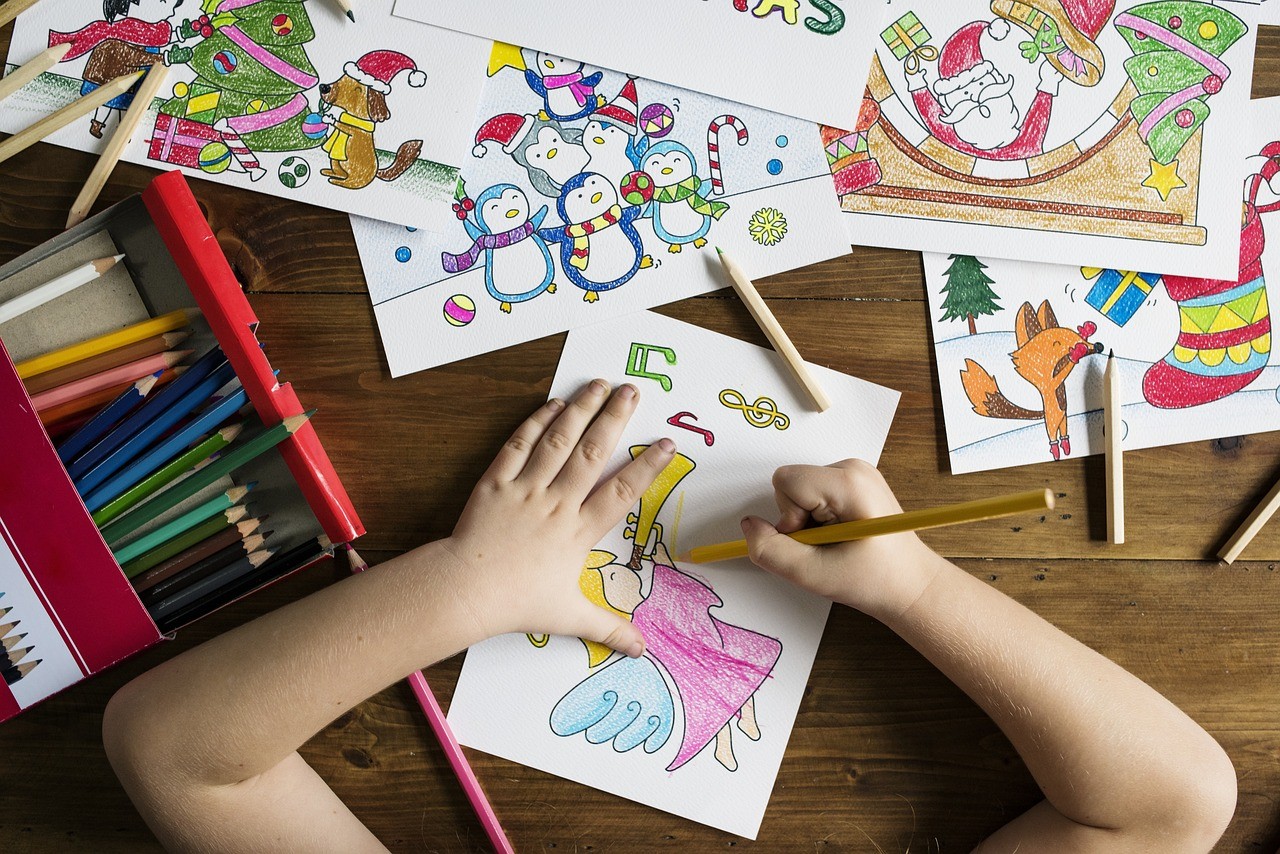
Most importantly, festival days at school create simple, hands-on experiences that support learning in natural ways. Children prepare decorations, rehearse songs or skits, and take part in activities connected to each festival. Younger students observe older classes leading programmes and slowly gain confidence to participate themselves. Parents who visit the campus during these celebrations see familiar traditions being handled with care and relevance. Over time, these shared moments quietly strengthen the connection between home and school, and help culture remain a lived experience rather than just a concept.
Blog Posts