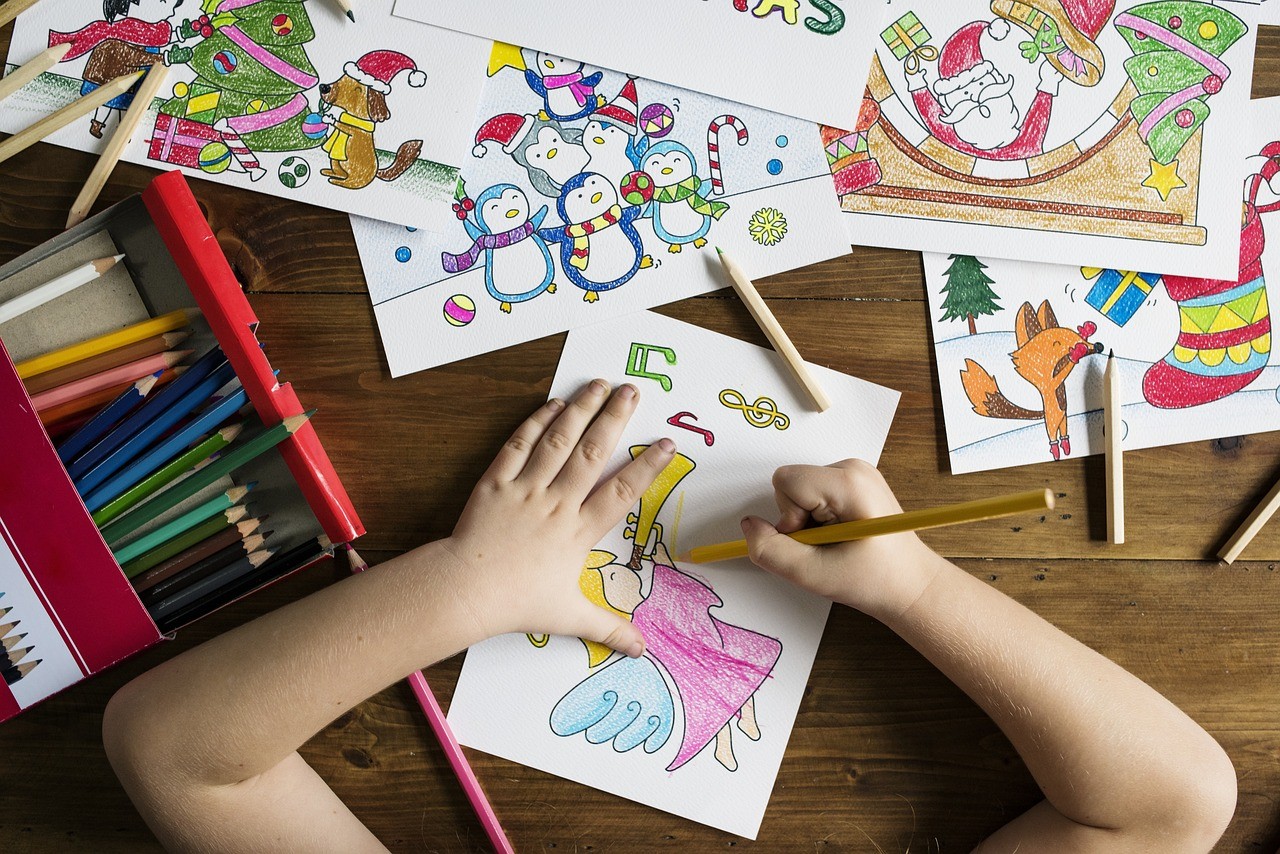
In our early grades, play is planned carefully so children learn by doing, talking and exploring together.
Feb 6, 2026
Early‑years research and current national frameworks strongly encourage activity‑based, discovery‑oriented learning for young children. Our foundational classrooms follow the same spirit. Instead of long periods of sitting and copying, you will see story corners, puzzle tables, blocks, pretend‑play areas and simple science or maths materials within reach. Teachers plan these spaces so that while children feel they are playing, they are actually practicing language, counting, fine‑motor control, social skills and early problem‑solving in a natural way.
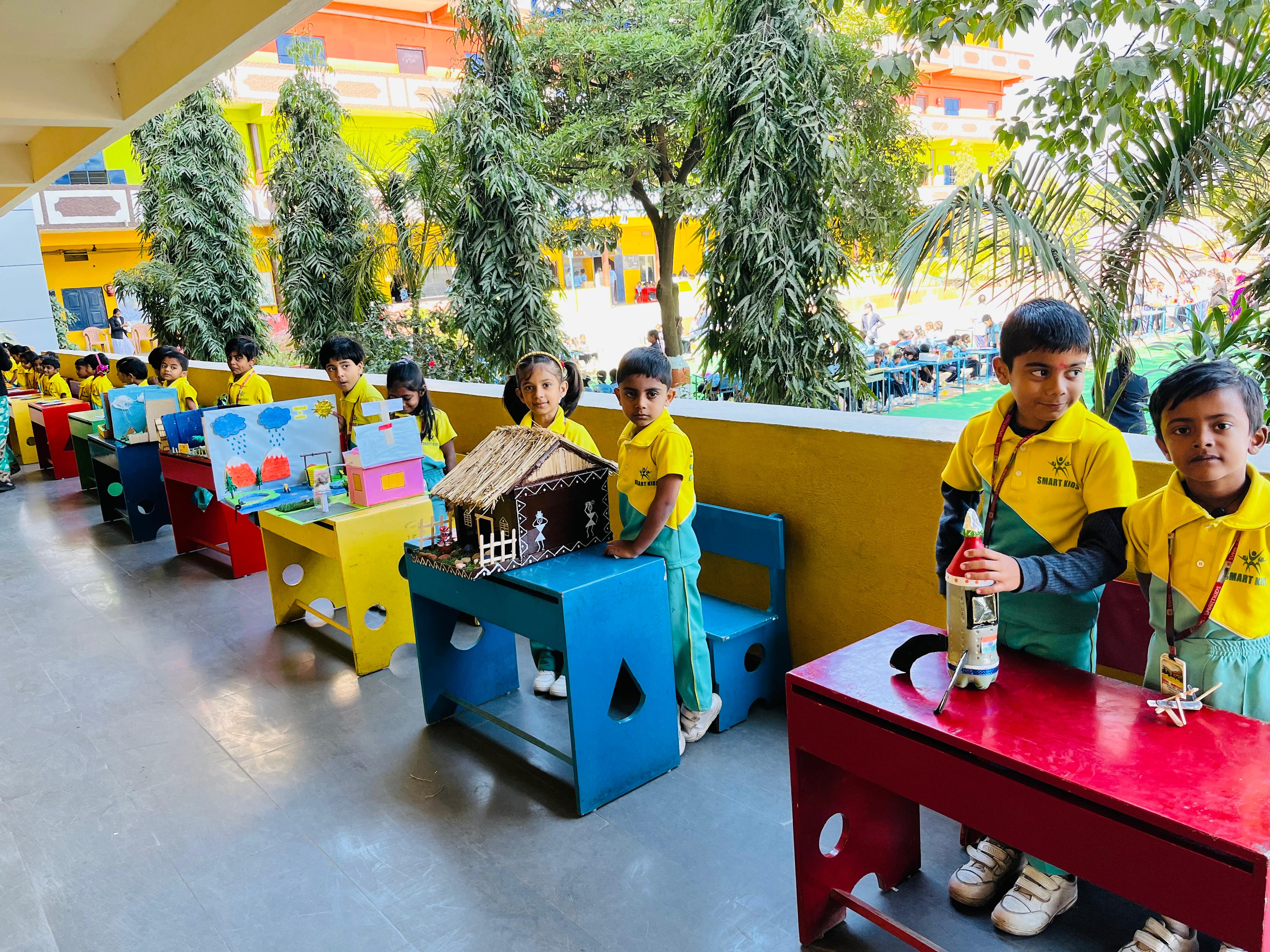
This does not mean there is no structure. Much like the early‑years approaches described research institutions, teachers start with clear learning goals and then choose play activities that support those goals. A counting game with beads may be used to introduce number concepts; building with blocks can lead to a short talk about shapes and balance; a role‑play in a “home corner” becomes an opportunity to listen, speak and negotiate with friends. Teachers move between groups, observing, asking questions, adding small challenges or quietly stepping back when children are deeply engaged. Short circle times bring the class together to share what they did, link it to words or numbers on the board, and slowly introduce more formal skills like writing.
Over time, this way of working has a visible effect on how children see school and how they see themselves. Classrooms that treat questions and trial‑and‑error as normal tend to produce students who are less afraid of making mistakes and more willing to try something new. Many children who may hesitate in a traditional setting gain confidence when they can first show what they know through a game, model or story before moving to the notebook. As they progress to higher grades, this foundation makes it easier to handle more structured lessons, because curiosity and basic comfort with learning are already in place. For parents, the difference is usually clear at home: children talk about what they did, not just what mark they got—and that is exactly the kind of learner today’s education system is encouraging schools to develop.

Blog Posts