School trips turn the world into a classroom where children observe, question, and connect learning.
Feb 6, 2026
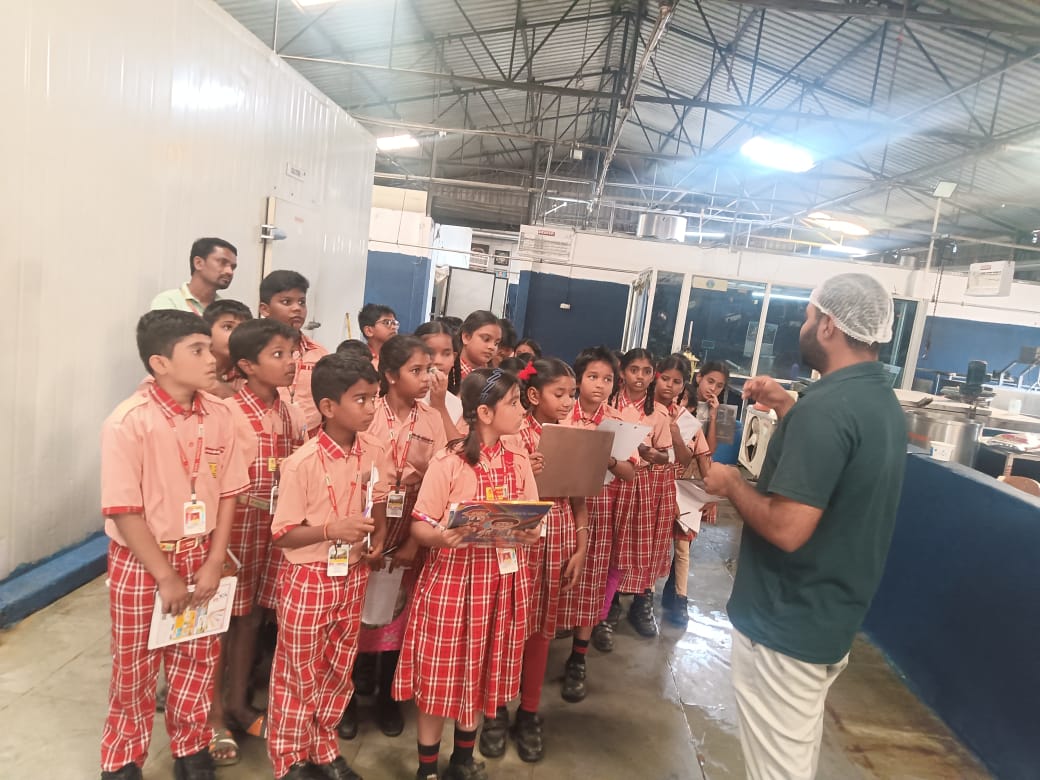
When students step out of school for an educational trip, learning moves beyond the classroom. Visits to farms, museums, science centres, historical sites, and factories allow children to see how ideas from textbooks function in real settings. They observe how crops are grown, how machines operate, how artefacts are preserved, and how different professions work. These first-hand experiences help students understand concepts more clearly and remember them more easily.
Trips also support social and emotional growth. Travelling together, following schedules, and moving as a group teaches children patience, cooperation, and responsibility. Teachers use these moments to guide students on everyday behaviour such as maintaining cleanliness, waiting their turn, listening to instructions, and respecting public spaces. Being together outside school routines also helps students build stronger peer relationships.
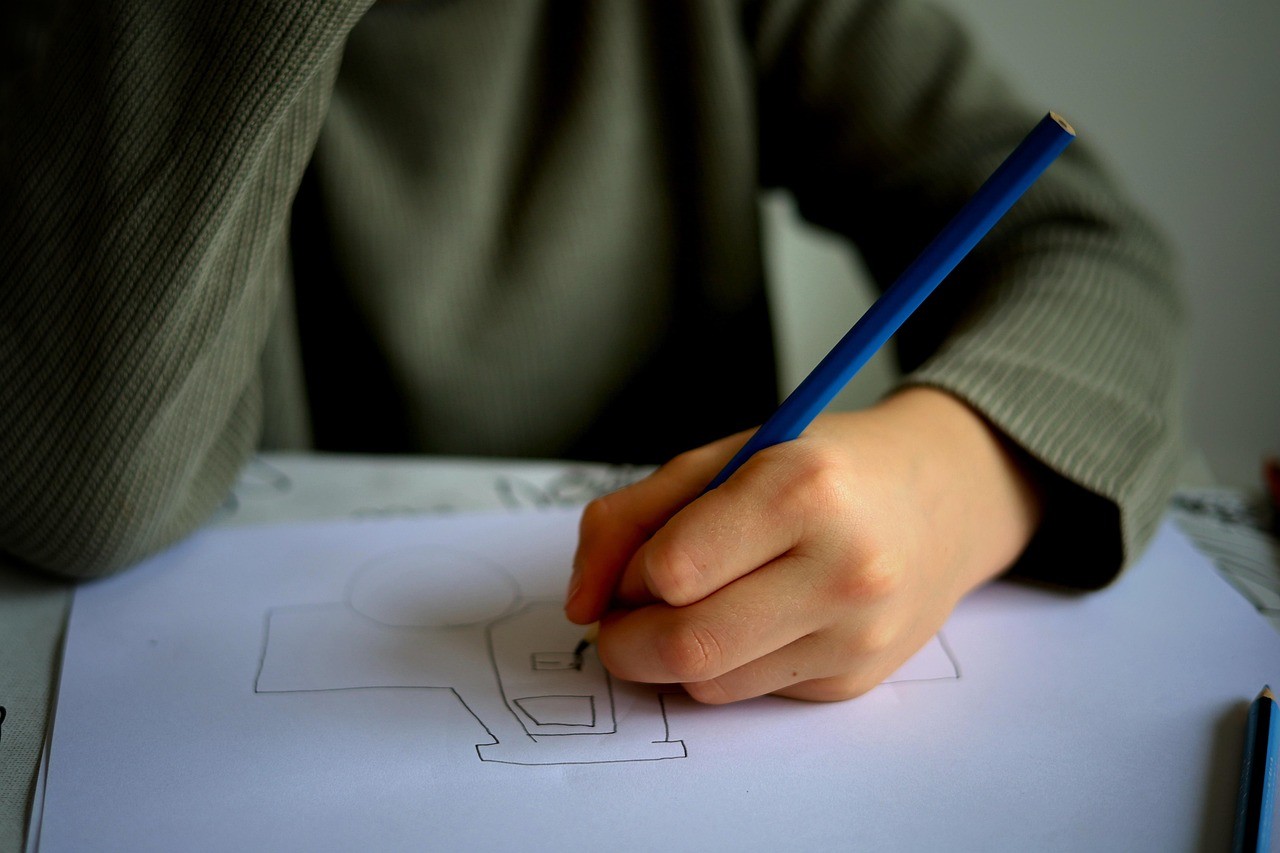
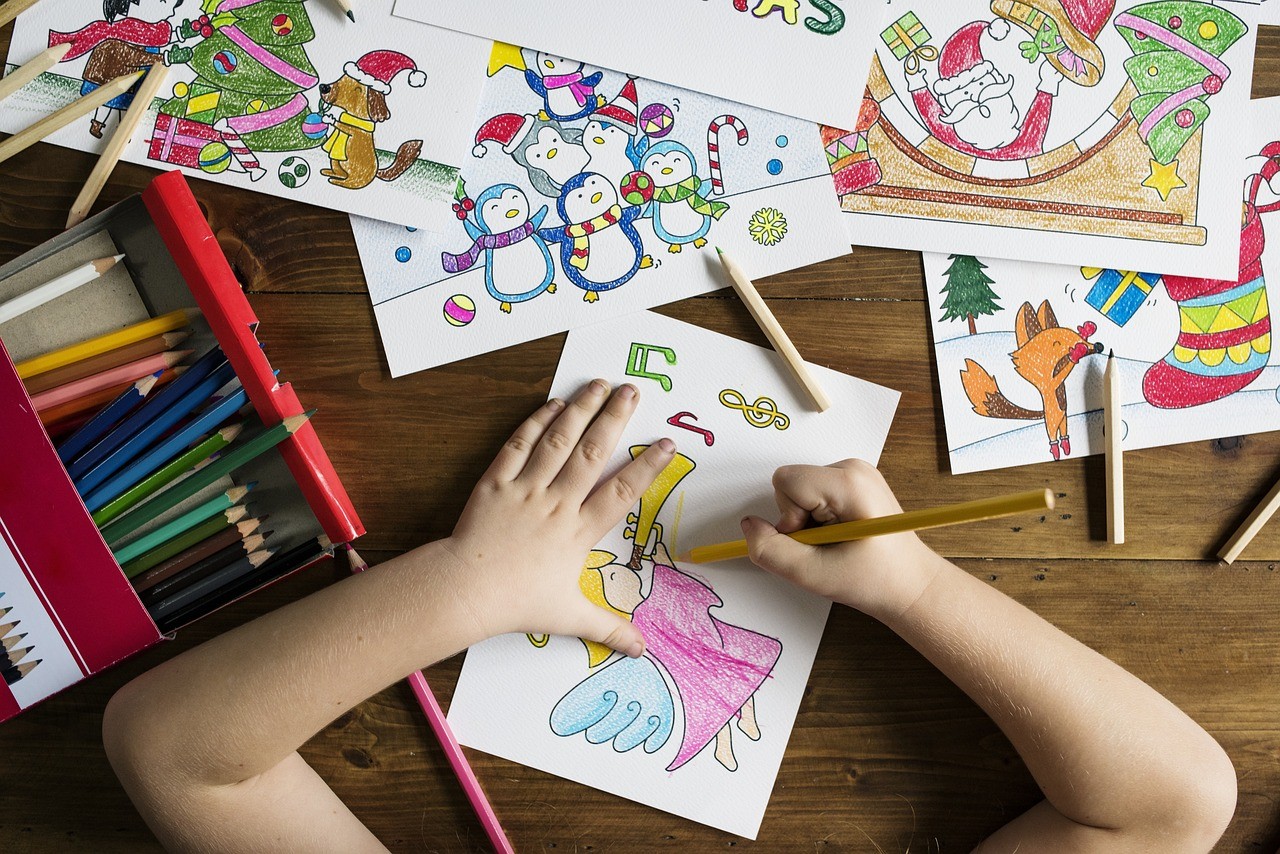
Every excursion is planned with clear learning goals and safety in mind. Teachers prepare students on what to observe before the trip and provide time afterwards for reflection through discussion, drawing, or simple writing activities. This process connects the experience back to classroom learning and encourages children to think more deeply about what they have seen. Over time, these outings become meaningful reference points that shape how students understand their surroundings and their place within the community.

Blog Posts